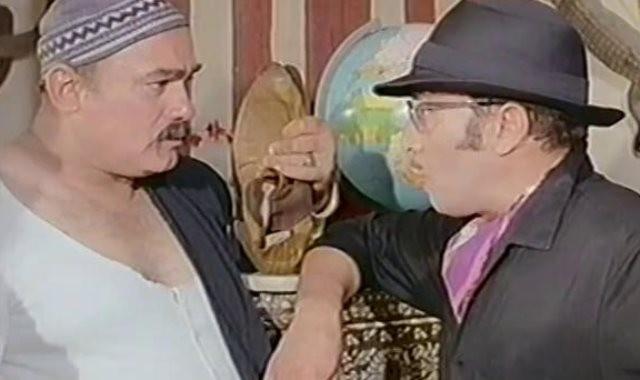
One of the famous actors in the movie Karnak – Social Media
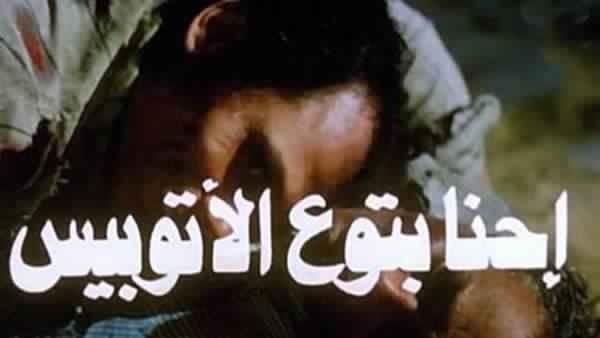
With unprecedented and unprecedented boldness in depicting the torture of political opponents in one of the darkest eras in Egypt’s modern history, the movie “Karnak” occupied a prominent place at the top of Egyptian cinema’s films throughout its history, since its release in 1975 by the great writer Naguib Mahfouz, starring Souad Hosni, Kamal El-Shenawy, Nour El-Sherif, Farid Shawky, Younes Shalaby, and Mohamed Sobhi, and directed by Ali Badrakhan. The film takes its events back to the sixties, where it exposes the lives of a group of university students: Ismail Al-Sheikh, Zainab Diab, and Hamada Helmy. The three of them regularly frequent a famous café called Karnak, but the paths of their lives change forever after they were subjected to arrest and torture as part of the repressive practices practiced by the intelligence services at the time on a wide segment of intellectuals and university students.
Movie story
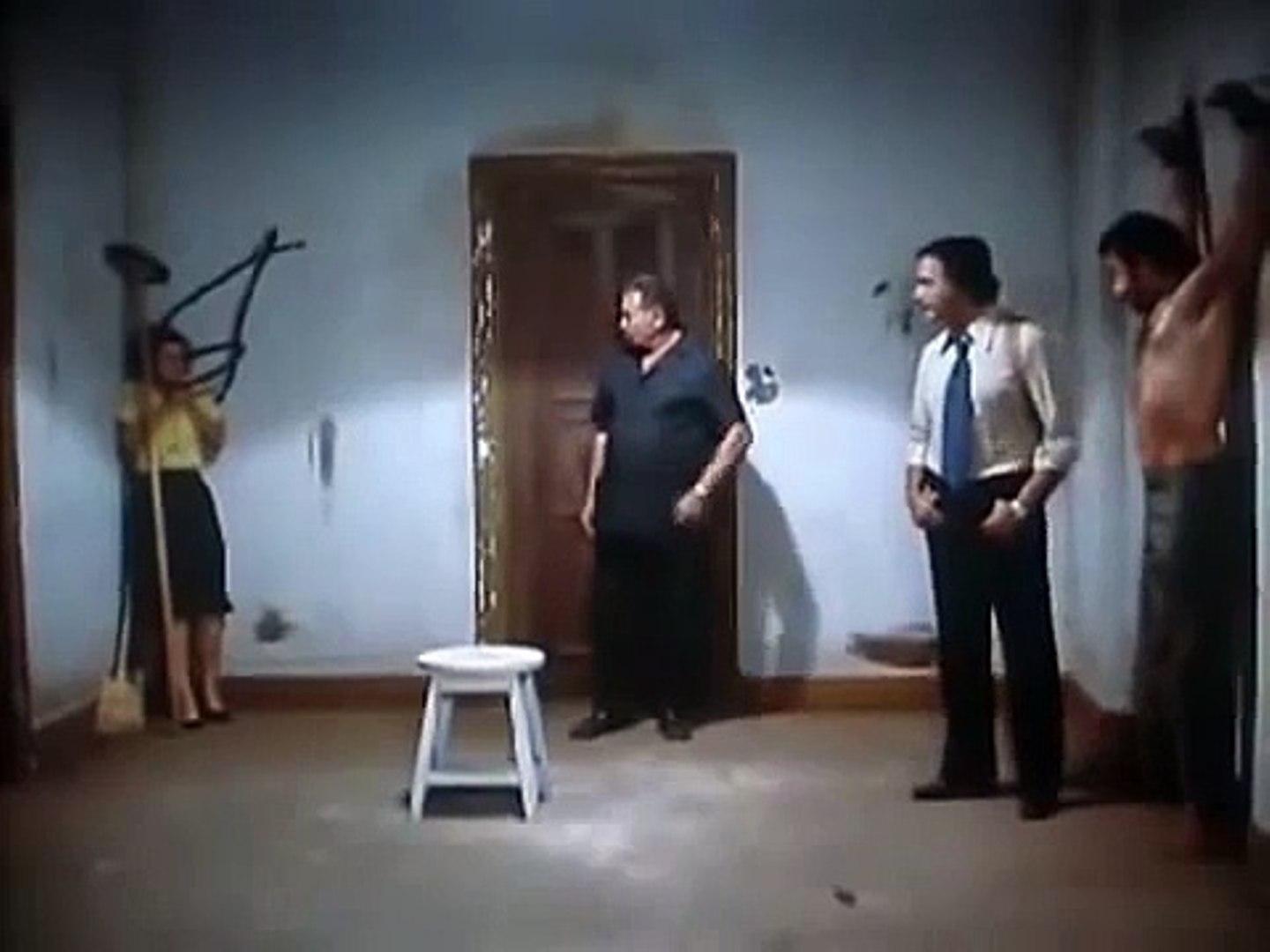
The film is based on the story of the great writer Naguib Mahfouz, “Karnak,” which is a short story in which Naguib Mahfouz recorded his objection to political repression during the era of Abdel Nasser. The film tells about the state of political and intellectual tyranny adopted by the Egyptian regime during the era of President Gamal Abdel Nasser. It deals with the story of a group of university youth who are arrested without a crime because they met in the “Karnak” café, where some intellectuals were known to gather and were sometimes exposed to criticism of the revolution. In detention, they are tortured and forced to confess to crimes they did not commit, and some of them are forced to work as spies for the regime and the security services inside the university and write reports about any activity or opposition thought within the university walls. The film ends with the outbreak of the Correction Revolution at the beginning of the era of President Anwar Sadat and the issuance of a decision to release political detainees, and the senior officer who was issuing orders for torture and extracting fabricated confessions himself enters the prison!
Action heroes
The film includes a very large group of great artists and a group of young people who later became famous and became first-class stars. The film’s heroes include: Souad Hosni, Kamal El-Shenawy, Nour El-Sherif, Mohamed Sobhi, Farid Shawqi, Tahia Karioka, Younis Shalabi, Shweikar, Imad Hamdi, Salah Zulfikar, Hassan Hosni, Mustafa Metwally, Abdel Aziz Makhyoun, Mohamed Tawfiq, Ahmed Badir, Osama Abbas, and Fayez Halawa.
Realistic embodiment
Many observers believe that the character of Khaled Safwan (Kamal El-Shenawy), the tyrannical security man, was an embodiment of the character of Salah Nasr, the former director of Egyptian General Intelligence, who was tried in the famous case of intelligence deviation in the wake of the 1967 setback, and the end of the film with Khaled Safwan entering the prison camp, along with Salah Nasr, after he was convicted in the case of intelligence deviation and an attempted coup.
Pivotal questions
The release of such a work in a country like Egypt, and under the Sadat regime, which is practically considered part of the “military state,” raises important questions, not the least of which is: Was the film an embodiment of the Abdel Nasser era, or an embellishment of the Sadat era? The answer to that question requires us to go back to the scenes of the issuance of that work, which came after the victory of October 1973, when President Sadat was preparing to begin a new era after years of Nasserism. For this reason, the Sadat regime provided space for many artistic and literary works that sought to present the other, but silent, narrative of what was happening behind closed doors during the Nasserist era. Cinema was the spearhead in presenting that novel, and one of the films it produced was “Karnak” in 1975. The film sparked controversy and conflicting evaluations, between those who considered it a historical document against the era of Abdel Nasser, and those who considered it an embellishment of the Sadat era for political goals.
Feedback
Although Karnak did not criticize Sadat’s regime, the Minister of Culture at the time, Youssef Al-Sibai, issued a decision banning its screening, which prompted its producer, Mamdouh Al-Laithi, to meet Anwar Sadat personally, who watched it and approved of it. The film’s director, Ali Badrakhan, points out that “Karnak” was shown after a “concession” made by the producer with a change in one of the last scenes that included the release of political prisoners by order of Abdel Nasser, so the amendment was made to make them leave by order of Sadat. Salah Nasr, the powerful intelligence man during the era of Abdel Nasser, also filed a lawsuit against the film demanding that it be banned, as it exposes him and presents him in the image of the corrupt Khaled Safwan. The court rejected his lawsuit and ruled to continue showing the film. As for the Minister of Culture at the time, “Youssef Al-Sibai,” he objected to the presence of the character “Helmy,” the leftist intellectual, played by the artist “Mohamed Sobhi.” He also asked the film makers to clarify that the “Sadat” regime had no hand in the issue of torture that was taking place in prisons in the sixties. In the end, the film “Karnak” represents a document that clearly expressed the extent of the brutality of one-opinion regimes and their reliance on repression as a means to silence those with opinions. This is what gave the work a wider geographical scope and continuous continuity among subsequent generations due to the legal situation that the film came out to express remaining as it is until the time of writing these lines.