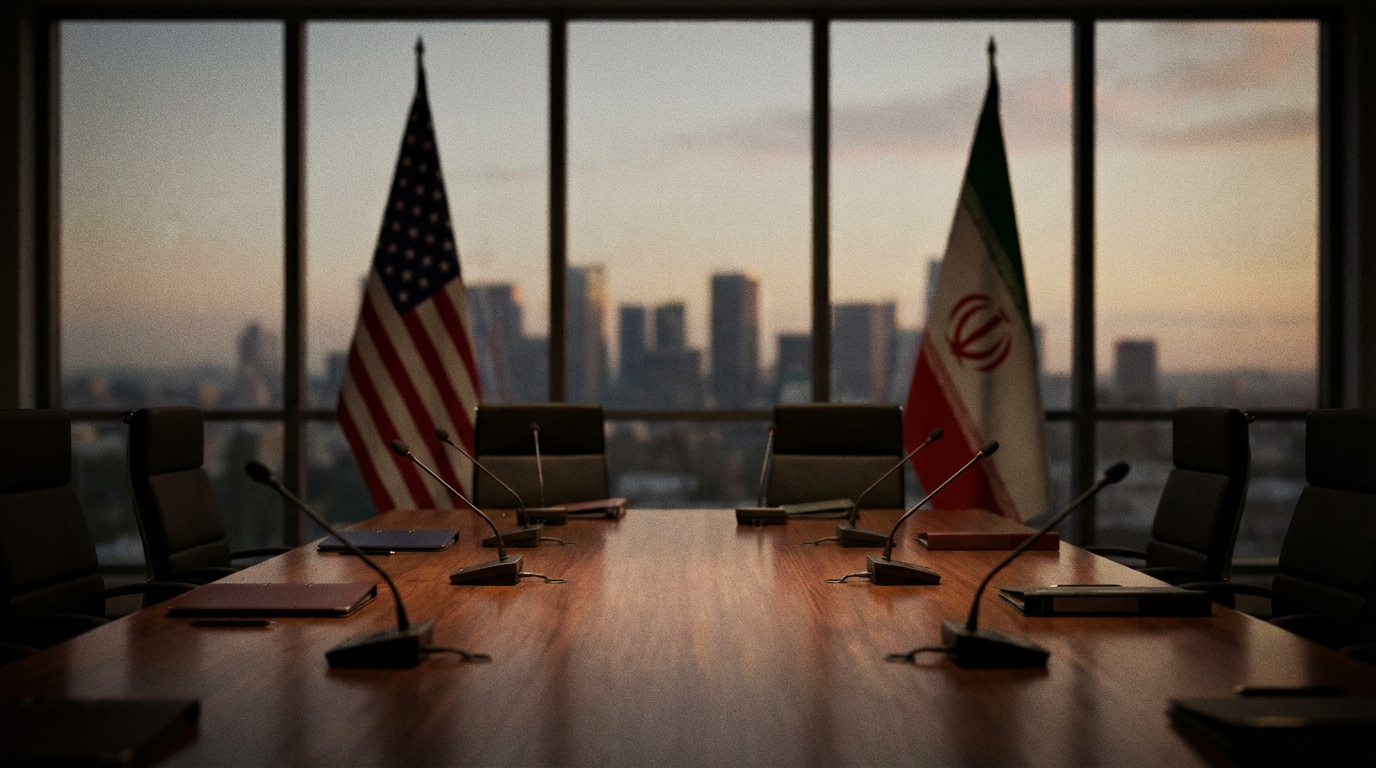
Diplomacy with Iran’s nuclear file
Despite the United States of America’s reliance on diplomacy in dealing with… Iran’s nuclear fileAnd strengthening that option, with Democratic President Joe Biden assuming power in the country. However, Tehran finds itself facing American demands, on the part of the new administration, regarding a return to the nuclear agreement, from which former President Donald Trump withdrew. Their contents may not differ from Trump’s demands and conditions, which strengthened the crisis and doubled the chances of a clash. It seemed clear that Iran was hoping to revive the nuclear agreement itself without amendments, without bearing a real cost, or making fundamental concessions, but all of the Biden administration’s statements revolve around an American desire to make the return to the nuclear agreement a basis for securing more guarantees regarding the Iranian nuclear program, in addition to talk about including controversial issues in the nuclear negotiations, the most important of which is the regional behavior file, the ballistic missile program, and perhaps the participation of other parties in the negotiations. That is why the United States has confirmed that it will not lift the sanctions, and will not return to the agreement, before starting comprehensive talks with Iran, while Iran insists on Lifting sanctions First, before any step on its part, which implicitly means that the first nuclear agreement file, for the United States, has become a thing of the past, and that the difference between the two American administrations in power is that what Trump wanted, through pressure, Biden wants through diplomacy and nothing more.
A complex problem
It seems, then, that the biggest problem in this complex file is the existence of a gap and discrepancy in positions between the American and Iranian sides, despite the agreement on the priority of diplomacy, and therefore the two sides are now going through a phase of finger-biting. Biden is trying to exploit Trump’s legacy in order to reach a comprehensive agreement with Iran. In return, Iran is trying to strengthen its pressure cards, represented by the active presence in several Arab capitals, through armed groups and political pressure parties, to accelerate the path of Negotiations, and getting out of the stifling crisis that it is suffering from as a result of the sanctions and the maximum pressure strategy. There is no doubt that there are appropriate opportunities for Iran to revive the nuclear agreement and lift sanctions, most notably the parties’ preparations for engagement and understanding, as the change in leadership in the United States played a fundamental role in shifting the relationship between the United States and Iran from confrontation to calm, as Biden gives priority to the diplomatic path, and his administration believes that the talks are “necessary in order to convince Iran to resume its compliance with the nuclear agreement.”
Who starts eating first?
On the other hand, Iran believes that there is an opportunity to advance diplomacy, despite the differences in positions and disagreements about who begins to submit first, amid the high priority of addressing Iran’s nuclear file, for international powers, and it seemed clear that there is an international priority, to return Iran to its nuclear obligations, and this was confirmed by US National Security Advisor Jack Sullivan, on January 29, 2021, when he said: It is one of the highest and early priorities of the Biden administration, “Dealing with Iran getting close to obtaining enough fissile material to possess a nuclear weapon.” In fact, the nuclear file has become influential in Iranian relations with the United States and the West, and has become a very effective card in framing the relationship, achieving a degree of balance, and generating gains at the negotiating table, given that the Biden administration and international powers view the joint action plan as the most comprehensive agreement that has been reached, and contains the most transparency and verification mechanisms in the history of the Treaty on the Non-Proliferation of Nuclear Weapons, as well as limiting… The maximum number of obligations, and closes potential paths to reach a nuclear bomb, or a secret military program. Iran has become aware of this importance, and therefore it has moved to reduce its commitments, increase the rate of enrichment, the number of centrifuges, and other measures, and has moved to exert greater pressure, with the announcement by International Atomic Energy Agency inspectors, on February 11, 2021, of the presence of 3.6 grams of uranium in a facility in Isfahan, and Tehran’s announcement to reduce cooperation with the IAEA regarding inspections by the day February 23, 2021, which had an impact in advancing the path of understanding.
American surrender imminent
It has become clear, since Biden assumed power in the United States, to ease the maximum pressure against Iran, as some of the provisions of the campaign, which was adopted by the previous administration, stopped to some extent, and the United States did not impose any new sanctions on Tehran. Rather, on February 18, 2021, the US representative withdrew the request to activate the “snapback” mechanism, which was presented by the Trump administration. In a significant step, with regard to the new administration’s directions, regarding the emphasis on diplomacy and understanding. The United States of America also allowed some countries to release financial assets and proceeds from Iranian oil sales. At the forefront are South Korea and Japan, in steps that indicate that this American position was based on the conviction that the Trump administration’s “maximum pressure” campaign failed to restrain and subjugate Tehran. In general, the path of diplomacy is the choice of both sides, but there is a transitional period in which intentions will be tested, and confidence in courses of action will be strengthened, through some limited measures at the beginning. It is clear that the dialogue has already begun, even if it has come indirectly so far. Most likely, the option of “little for little” and making limited concessions is the path that will be tested, in the near or medium term, in a desire on both sides to calm down and stop the escalation, so that the crisis does not tend towards confrontation again.