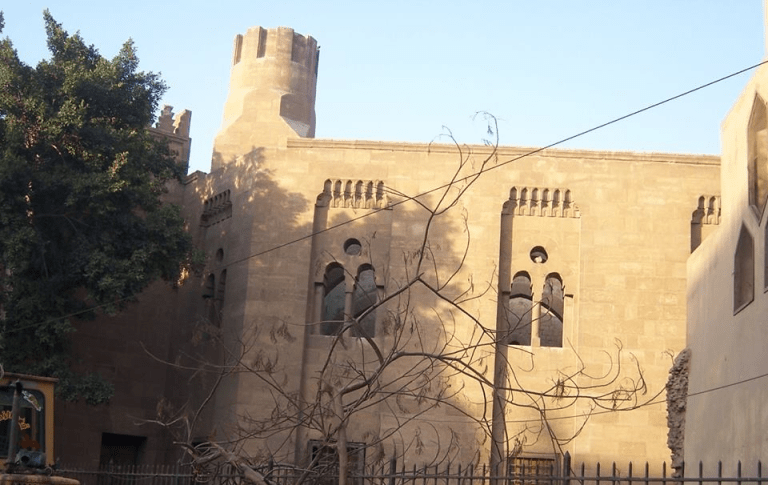
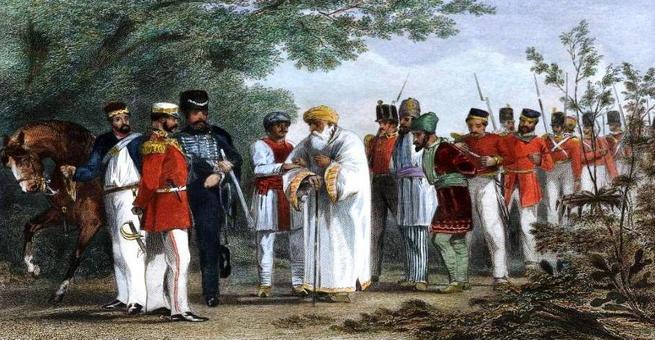
 It is the most famous in the history of Egypt, and it is considered one of the largest political assassinations in the world. It is the “Citadel Massacre,” or the Mamluk massacre, which was planned and carried out by Muhammad Ali Pasha. To get rid of his enemies, it was on March 1, 1811 AD.
Causes of the massacre
Historically, Muhammad Ali wanted to monopolize the authority of Egypt, so he had to get rid of the popular leadership and the Albanian soldiers. The most problems that Muhammad Ali faced were the Mamluks, who believed that they were the original rulers of Egypt, and they were constantly rebellious and annoying Muhammad Ali. The attempts at reconciliation and satisfaction with the money made by Muhammad Ali did not work for them, until the opportunity came for him, and the Ottoman Sultan sent him, asking him to prepare the armies and go out to fight the Wahhabi movement in the Arabian Peninsula. Muhammad Ali was worried that if the army left at this time and left Muhammad Ali alone without protection, the Mamluks would think about seizing this opportunity and eliminating him. Therefore, Muhammad Ali thought about eliminating them, and he thought of a plan, which was to invite the Mamluk leaders to the citadel, under the pretext that he would hold a ceremony to bid farewell to the army leaving to fight the Wahhabis. The invitation went to the Mamluks in every corner of Egypt, from the east to the west. The Mamluk leaders did not doubt Muhammad Ali’s intention, but rather they prepared well and wore official clothes in preparation for the ceremony, and Muhammad Ali invited them to walk in the convoy of the army leaving for the war.
Minutes before the massacre
The procession was led by a large army of horses ridden by the army of Muhammad Ali, led by his son, Ibrahim Bey. Then Muhammad Ali asked the Mamluks to march in the ranks of the army so that they would be at the forefront of his farewells. At this moment, after the army left the door of the castle, the doors were closed and the guards who had turned their heads to the Mamluks turned to them and a bullet was fired into the sky. This was the signal for the beginning of a massacre that history has never forgotten. Then the Mamluks realized that they had fallen into a trap, and it collapsed. Bullets from all directions.
Start the battle
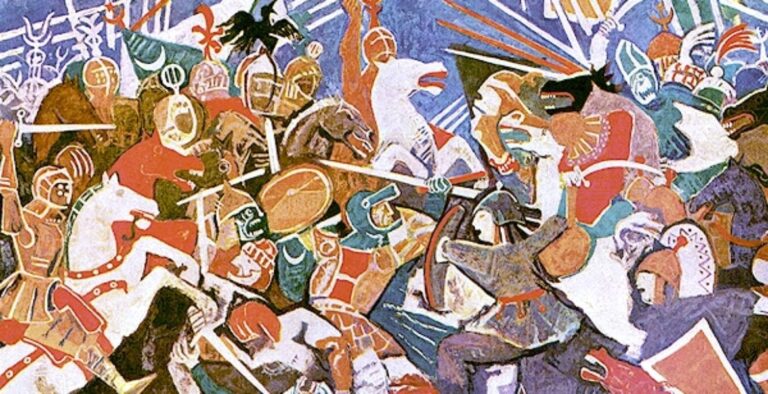
The governor’s soldiers brandished their rifles full of bullets in the faces of the Mamluks. No sooner had those shots rang out in the air than the bullets rained down on the Mamluks all at once, so they did not give them time or even think, while they were confined to this road deep in the ground, with the huge door locked in their faces, and the soldiers behind them, above them, to their right, and to their left, the bullets of their rifles did not have mercy on them. The Mamluks could not defend themselves, and they did not have the time nor the ability to move, return, or get off their horses, due to the narrow place in which they were confined, and because they came to the celebration without rifles or bullets, and they were only carrying their swords, so what do blunt swords do in the face of lava of lead pouring down like rain? The rest of the Mamluks wanted to save themselves from destruction, so they dismounted from their horses, and some of them climbed the rocks surrounding the road, and in order to facilitate their escape, they took off the precious clothes they were wearing, but bullets were hitting them wherever they climbed or tried to escape, so there was no escape from death.
Muhammad Ali’s position
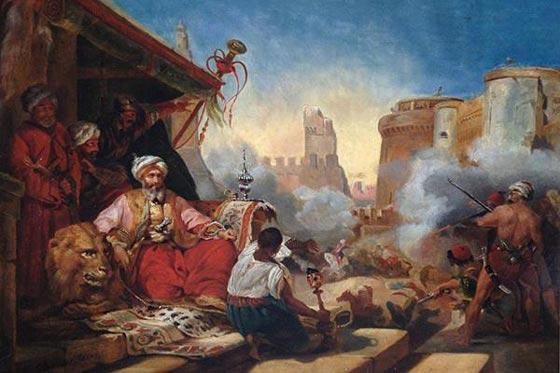
Muhammad Bey Ali Pasha was sitting in the reception hall, with his three secretaries. He remained in his place calmly until the procession began to move, and the terrible moment approached. He became anxious and disturbed, and a deep silence prevailed in the castle, until he heard the first shot being fired, which announced the beginning of the massacre. Muhammad Ali stood up, his complexion turned yellow, his face turned yellow, and various emotions conflicted with him. He began to hear the sound of bullets and cries of panic and calls for help, while he was silent and still in his place, until death claimed most of the Mamluks, and the sound of the bullets began to diminish, and this was an announcement of the end of the conspiracy.
The reaction of Cairo residents
The masses were filled with joy in the streets prepared for the procession, waiting for it to pass. The vanguard of the procession passed among the crowds of spectators, and people began eagerly anticipating the passage of the following rows. Then the succession of the rows stopped, and the people were surprised and began to wonder about the reason. While they were waiting for the arrival of the later rows, the crowds in Rumaila Square, which is at the bottom of the castle, heard the sound of bullets echoing in the air after the door of the estate was closed. Panic spread to the people; The news of the massacre reached the masses near the castle, and the news quickly spread with lightning speed to various parts. The crowds dispersed, the shops and markets closed, the people rushed to their homes, and the streets and roads were empty of passers-by. The number of Mamluks killed in the citadel and around Cairo and the districts in those days reached about 1,000 princes, scouts, soldiers, and Mamluks.