It was All the atmosphere in Algeria was calm when Moad Bouchareb, the interim coordinator of the Algerian National Liberation Front party, announced the nomination of outgoing President Abdelaziz Bouteflika for a fifth presidential term in the name of the presidential coalition, after which the uprising that has been taking place in the Algerian streets since Friday, February 22, exploded, which forced Bouteflika to cancel the presidential elections and hold a national symposium in the coming months. Despite the outbreak of the Arab Spring revolutions at the beginning of the second decade of the current millennium, kilometers away from Algeria, in neighboring Tunisia, the wave of the Arab Spring quickly passed over Algeria safely and its consequences settled in the Libyan and Egyptian neighbors. This led to the consolidation of the conviction that the Algerian regime had succeeded in numbing the people, before the activities of the current movement turned the tables on everyone.
Incomplete calm
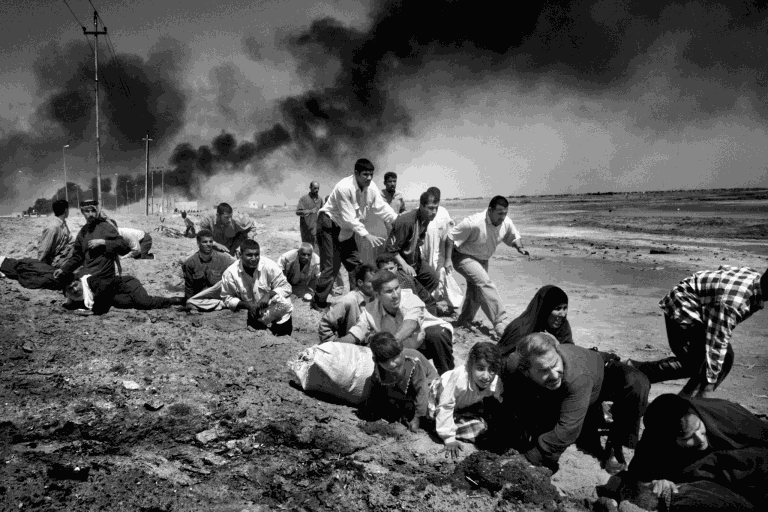
In fact, the Arab Spring did not pass completely peacefully in Algeria. At a time when Tunisia was boiling with the volcano of demonstrations against the Ben Ali regime, Algeria was one of the countries where protests reached at the beginning of 2011, when thousands of Algerians came out on January 5, 2011 in massive demonstrations against the backdrop of the rise in the prices of some basic materials. The protests were called the “oil and sugar revolution.” These demonstrations quickly turned into violent altercations between the security forces and the protesters, which included acts of sabotage and attacks on citizens, making them closer to a demagogic movement than to a demand situation. They also adopted the method of the bomber of the Tunisian revolution, Mohamed Bouazizi, to incite the protests, as Algeria during that period witnessed several suicide attempts by demonstrators in the Bouazizi style. The protests, which expanded in scope to include several Algerian states, continued for five days, resulting in the death of 5 protesters and the wounding of more than 800 people. They also forced Algerian President Bouteflika to cancel the state of emergency that had been declared in the country since the 1990s, out of fear of the results of the Arab Spring, which had at that time removed Zine El Abidine Ben Ali. A parliamentary committee charged with investigating the events also acknowledged that “monopoly and impunity The market is the reason for the high prices and events.”
The 2019 movement…no to the fifth term
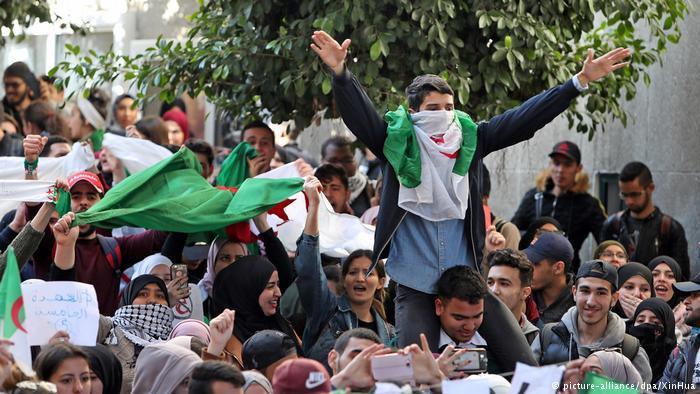
Algeria has remained calm since the 2011 movement, until last February 22, when Algeria witnessed million marches against the decision to nominate outgoing President Abdelaziz Bouteflika for a fifth presidential term. These demonstrations forced Bouteflika, in a letter he sent to the Algerians, to postpone the presidential elections scheduled for April 18, not to run for a fifth term, and to hold a national symposium establishing a new constitution. For the country. Unlike the 2011 movement, which witnessed acts of violence and clashes with security forces, the current movement painted a largely civilized and peaceful picture for Algerians, as their marches did not witness acts of violence or sabotage, and no casualties were reported except for an elderly man who was suffering from a heart attack, and he died on the second Friday of the movement.
Tactical withdrawal
Bouteflika, who announced that he would not run for a fifth term, referred in the content of his letter to his health condition, and the text of the letter stated: “My health condition and my age only allow me to perform my final duty towards the people,” noting that “I never had any intention of running for the presidential elections.” Bouteflika explained in his message: “I understand the message that the Algerian youth brought,” adding: “I will present the draft constitution that the National Symposium is preparing for a popular referendum.” The organization of presidential elections will take place after a comprehensive national dialogue.” The Algerian Army Chief of Staff, and a strong man within the military establishment, Ahmed Gaid Salah, appeared in a photo broadcast on state television, following Bouteflika’s message, next to the latter, which is an indication that some saw as support for Bouteflika’s retreat, and the army’s acceptance of this retreat.
Mixed reactions
The celebrations that took place in the streets of Algeria after Bouteflika’s decision may have been considered by some to be an indication of their acceptance of the matter, and a feeling of euphoria in victory over the fulfillment of their demand that the outgoing president not run for office… But another feeling prevails of anxiety about a possible maneuver by Bouteflika, or circumventing the demands of the people. Political researcher Saber Arif considered, in an article for the London-based Rai Al-Youm newspaper, that Bouteflika’s decision reveals that “the new republic and the new regime will be in the hands of the new generations of Algerian men and women who will be the actors and beneficiaries in public life and in sustainable development in the Algeria of tomorrow.” As for journalist Wassini Al-Araj, he saw in an article in the London-based Al-Quds Al-Arabi newspaper that what happened was “a great gain in the context of the struggle to restore Algeria of light,” but he wondered about future scenarios amid fears that Bouteflika had proven, with his decision, that he was “a prisoner of the gang that he had accepted at one time, to the point that everything was desertified, and nothing remained beside the president and in his surroundings except the names of the gang, both hidden and apparent.” As for the political analyst, Yasser Al-Zaatara, he confirms in the Qatari Al-Arab newspaper that what happened in Algeria has more than one significance, the most important of which is the failure of the “Arab counter-revolution” to achieve its goals, pointing out that “with the partial victory achieved by the Algerians, by forcing Bouteflika to withdraw from the candidacy, the dreams of the counter-revolution in disciplining the peoples evaporate, and it is confirmed time after time that this nation has exceptional vitality, and that it may bow to the storm for a while, but it will soon return to its vitality from New, and it is also emphasized that the dreams of the Arab Spring still reside in people’s consciences.”
The next few days
In general, it is not possible to predict the end of the ongoing Algerian movement, but it can be said that the demonstrators have now thrown the ball into the politicians’ court, to consider the backgrounds of the candidates for the national dialogue, and whether these figures have a national consensus or not. Which will be a major determinant for the Algerian people to return to demonstrating again, or to be satisfied at this point. —
Sources: