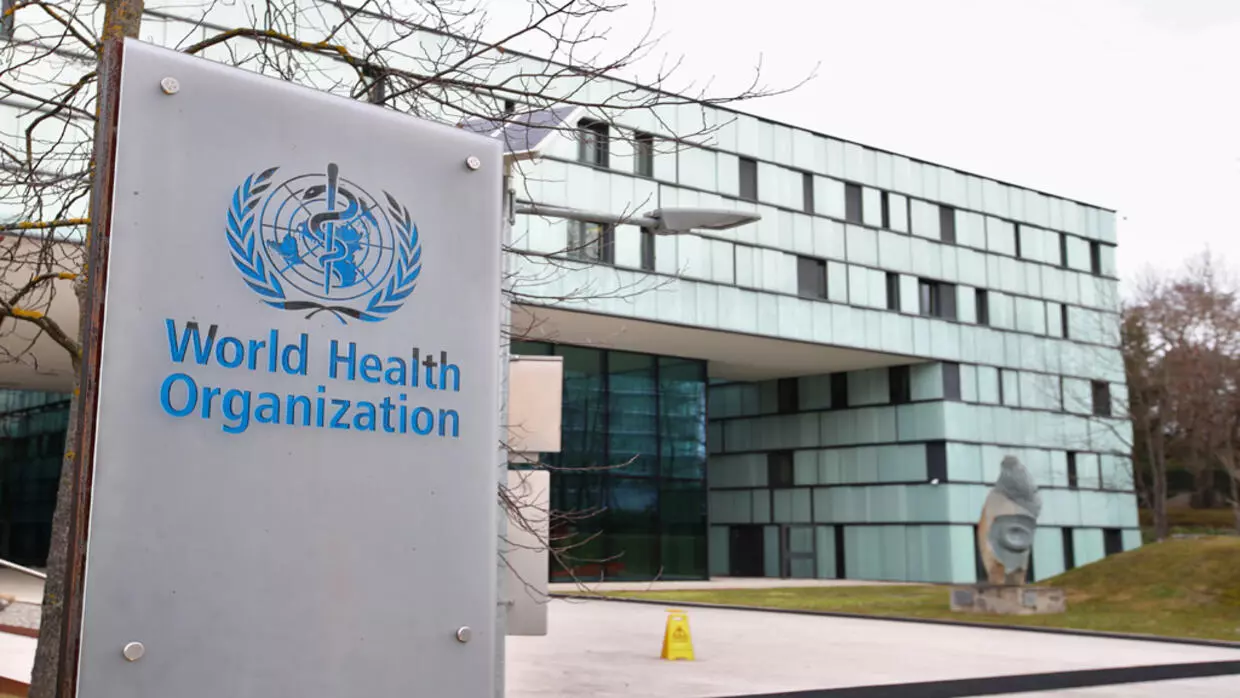

With the outbreak of the Corona virus in the Chinese city of Wuhan in December 2019, everyone’s eyes turned to the World Health Organization (which stands for WHO for short) to assess the situation and inform the governments and peoples of the world about what should be done about this emerging disease. The World Health Organization is one of several United Nations agencies specialized in the field of health. It was established on April 7, 1948. Its current headquarters is in Geneva, Switzerland, and is managed by Mr. Tedros Adhanom. The organization is the directing and coordinating authority within the United Nations system in the health field. It is responsible for playing a leadership role in addressing global health issues, designing the health research agenda, setting norms and standards, articulating evidence-based policy options, providing technical support to countries, and monitoring and evaluating health trends. When diplomats met to form the United Nations in 1945, one of their most effective proposals was the idea of creating a global health organization. Indeed, the organization’s constitution entered into force on 7 April 1948 – a date that became known as World Health Day and is celebrated every year. WHO has a biennial budget, and the framework for the organization’s resources and financial expenditures is derived from the Eleventh General Program of Work, covering the period 2006-2015. As of the biennium 2008-2009, the six-year medium-term strategic plan was formed (for the period 2008-2013), which includes three bienniums, which defines the necessary framework for management based on achieving the organization’s goals.
Structure and management
The 193 Member States exercise governing authority in the Organization through the World Health Assembly. This assembly consists of delegates from member states. The Assembly approves the organization’s program and budget for the following biennium and decides on the most important public policy issues. The Society holds an annual meeting in Geneva in May of each year. It has an Executive Council consisting of 34 members who are elected for a three-year term. The Council is responsible for implementing the decisions and policies of the Health Assembly. The Executive Board meets in January of each year to adopt resolutions that are referred to the Health Assembly, with a second, shorter meeting held in May, shortly after the conclusion of the Health Assembly, to consider more administrative matters.
Areas of work of the organization
The organization is interested in encouraging medical research, proposes concluding agreements in global health affairs, monitors the outbreak of communicable diseases such as smallpox, plague, and other dangerous epidemics and works to combat them. It also works to provide health protection for motherhood and childhood, to raise the level of mental and psychological health, and to spread awareness in order to protect drinking water from pollution. The participating countries exchange experiences and eliminate many chronic and deadly diseases, and also hold many training workshops aimed at developing health services.
Big ambitions
The Constitution of the World Health Organization says that its purpose is to provide the best possible state of health for all peoples to date. To achieve this goal, a campaign was launched in 1998 called “Health for All in the 21st Century” that seeks to ensure that health is at a level that enables all people to be socially and economically productive. The organization defines health as “complete physical and mental well-being and social well-being.” This definition obligates the organization to work to achieve this condition, both individuals and groups. To meet their needs, desires, hopes and reality, perceive their environment and deal with change.
Extensive activities
The World Health Organization sponsors programs for the prevention and treatment of diseases, in addition to coordinating global efforts to monitor the emergence of infectious diseases, such as SARS, colds, and AIDS. The organization also supports the development and distribution of safe and effective vaccines (vaccinations), pharmaceutical reagents, and medicines. After more than two decades of combating smallpox, the organization announced in 1980 that it had eradicated the disease. This is the first disease to be eradicated through human effort. The organization seeks to eradicate polio in the next few years. The organization also aims to promote health matters other than combating diseases, including encouraging the consumption of vegetables and fruits and combating the spread of smoking in the world. It has issued a report on the most important health risks globally, in which smoking is one of the ten most important health risks. Among the organization’s successes is its work in developing a vaccine for influenza. The organization conducts many researches, including on the effect of electromagnetic fields (cell phones) on health. Some of the organizations’ research causes controversy over its results. Tobacco companies have discussed tobacco research, and sugar industry companies are currently discussing a technical report that recommended that the percentage of sugar not exceed 10% of healthy food.