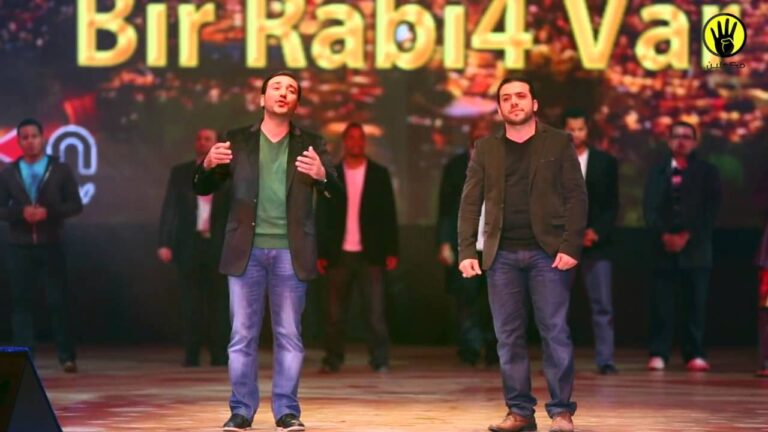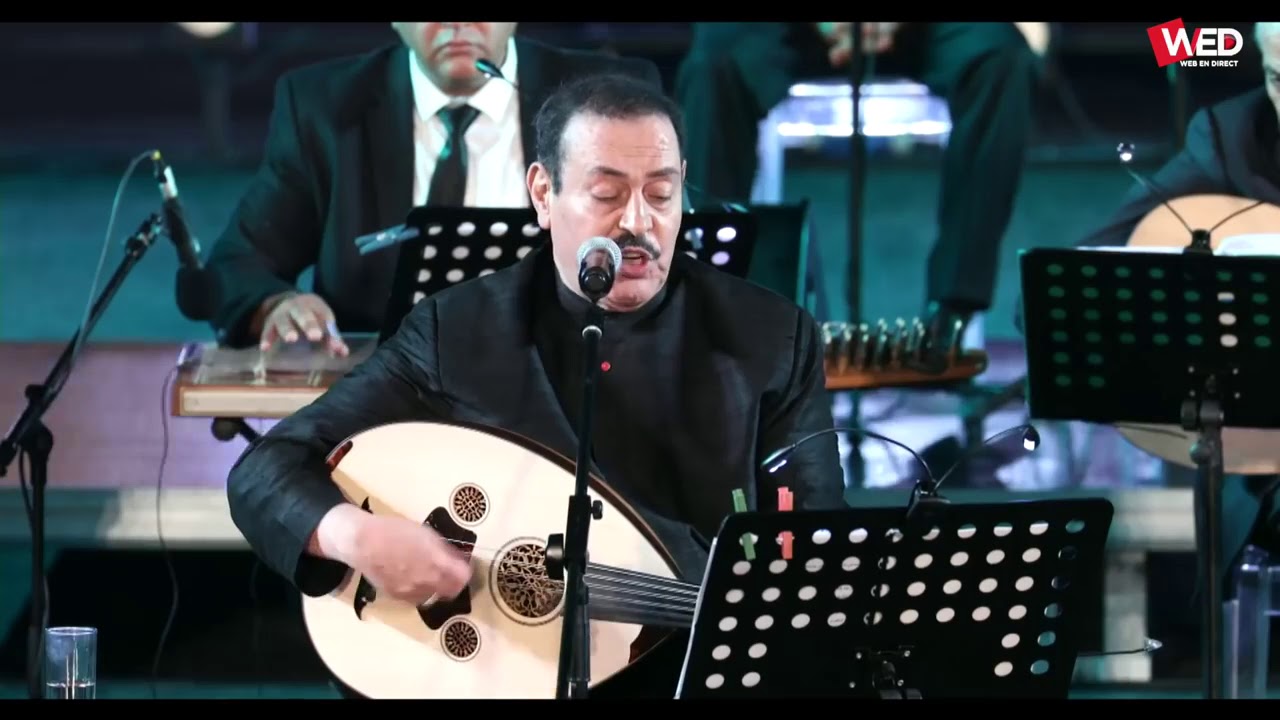
“The Arabs are in the most dangerous stage and all their letters are vowels.” With these shocking words, Tunisian artist Lotfi Bouchnak inflamed the Arab masses with the song “Bells of Return,” which exposes the so-called “Deal of the Century,” criticizing the Arabs’ heedlessness, division, and preoccupation with what is not compatible with the nation’s ambitions. At the Tire Festival at the Lebanese Beaufort Castle Theater, on August 10, 2018, Bouchnak sang “The Bells of Return,” in which he expressed the tense Arab situation, in reference to the American administration’s efforts to impose a settlement of the Palestinian issue that only serves the interests of the Israeli occupation, seeking the help of some Arab countries to achieve it.
The story of the song’s lyrics
One day, Fayrouz sang the song “Bells of Return” by the great writer Saeed Akl, and she said: Let a sword be brandished in this world and let trumpets sound. Let it sound now, now and not tomorrow. The bells of return may ring. I will not forget you. Palestine, and the distance pulls and pulls me. I am in your swords, Nisreen. I am the blossom of thorns. I am the rose. We will support you and beat down the walls. We will draw inspiration from the cave and return to the house. We will wipe out with fire the fire, let it sound, and let the trumpets sound. Bells are ringing, the blood of the free has run wild
The writer and poet Imad al-Din Taha came to ring the bells of return and Bouchnak sang it, saying:
Whether the return bells ring or not, why the rush? If we came to beat it immediately, “Dum Tak” would be like a drum. The Arabs are in the most dangerous stage, and all their letters are vowelized. Perhaps their abundance has tempted them, but despite their multitudes, they are few. And in the valley of the ants, if they cross, they will die from the ant’s laughter. Solomon of the present era is busy filling the basket and Talk of a major war or a deranged deal of the century, a nail in the wall, the king of Juha, the neighborhood broker… and in his absence, he will call “Un ala Douya” in the bazaar of the occupied land and return to continue his evening at Ashraf al-Dawla’s club.
Widespread celebration
When the song was released for the first time directly on the Lebanese stage, as well as on social media platforms for several days, it enjoyed great spread, and its views on YouTube reached about one million viewers in the first week of its publication, in addition to hundreds of comments opposing the official Arab position on the deal of the century. One of the most prominent reasons for this widespread interaction was the controversy over the connotations of the song’s words, the most notable of which was what some of those interacting with the song pointed out about the phrase “Suleiman of the era is busy filling the basket,” as they linked it to the Saudi king, King Salman bin Abdulaziz, which opened the door to speculation among followers. But Boushnak returned and confirmed in a press interview that the song in which he criticized the “miserable” Arab position on Israeli ambitions in Arab lands, which has increased remarkably during the era of Trump, stressing that the latter is what he means by the phrase “Solomon of the present age,” as he believes that the American president only cares about collecting money at any cost, no matter how many values and principles he loses to it.