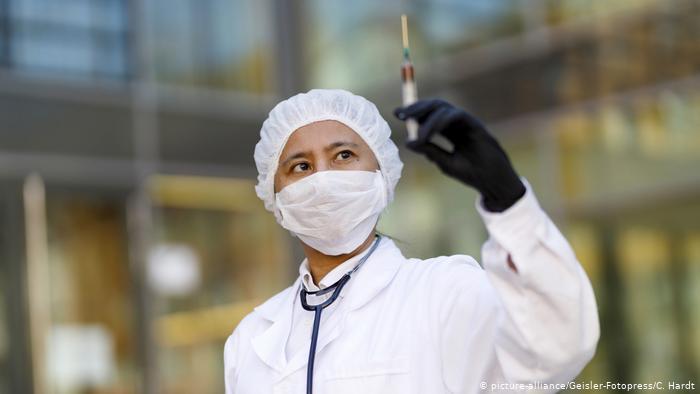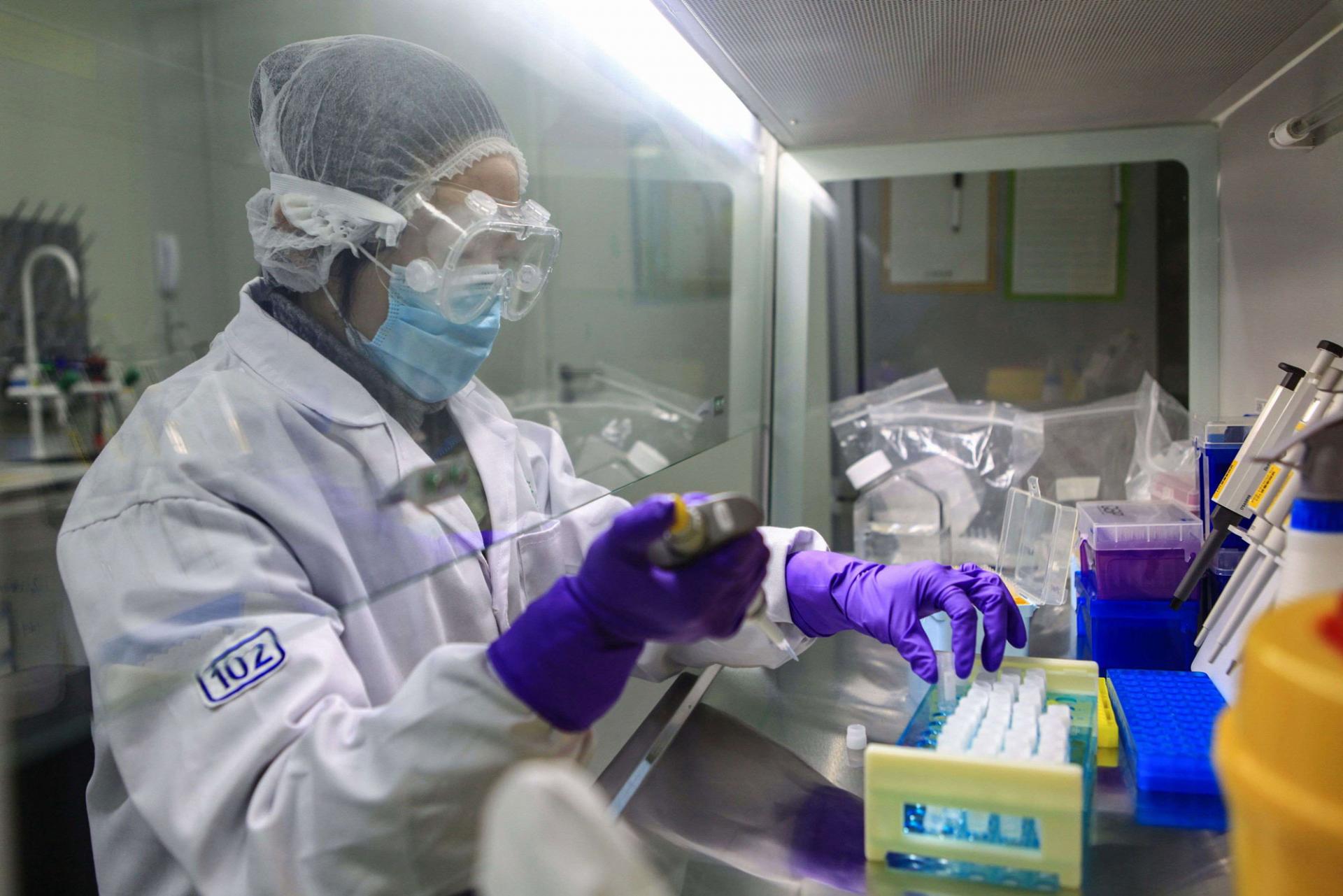

At a time when the governments of rich countries, pharmaceutical companies, and major vaccine production laboratories around the world are racing against time with the aim of finding a vaccine for the deadly Corona virus as quickly as possible, Arab countries are standing “spectatorily” waiting for someone to announce the production of a vaccine. This Arab absence from the arena of the struggle to discover a cure has given our people sufficient time to search for an answer to an urgent question that needs a prior answer: How can we ensure that the expected vaccine is made available to everyone in a fair manner so that the goal is achieved and the epidemic is eliminated?
The anxiety is real
In December 2006, Indonesian authorities refused to hand over samples of the bird flu virus without guarantees that they would benefit from any vaccine produced from them. Amid the swine flu outbreak in 2009, the Australian government ordered a vaccine manufacturer to fulfill its request before fulfilling orders abroad. In November of the same year, officials from the World Health Organization expressed fears that the disaster awaiting them around this point would be greater if the epidemic were more deadly, after several rich countries secured the vaccines they needed. As for the current crisis, Corona, the head of the World Health Organization’s Vaccine Research Initiative, Marie-Paul Kieny, said that things would be much worse if the epidemic were more severe, and it would be difficult to create a measure of fairness in distributing vaccines, as governments would be less inclined to share the vaccine they possess.
Is there a chance?
Getting a vaccine to treat Covid-19 within months is not the only huge challenge the world faces. It will be followed by another enormous challenge: delivering billions of doses to every corner of the world at a time when countries put their interests above everything else. According to a report by the American Bloomberg Agency entitled: “The strategy to get rid of Covid-19 depends on the entire world obtaining the vaccine,” there are scenarios to make the vaccine, which is being worked on in full swing around the world, available to everyone in a fair and simultaneous manner. A variety of financing instruments are being considered to stimulate mass production of potential vaccines and ensure their equitable distribution. In one program, manufacturers agree to provide affordable doses in exchange for a funding commitment from governments or other donors.
It actually happened
With more than 3 million people infected with the Corona virus, the risks appear enormous even as billions of people shelter in their homes, and health activists worry that rich countries will monopolize the global supply of Covid-19 vaccines if companies succeed in developing them, a scenario that emerged during the 2009 swine flu pandemic. The lack of access to medicine in the world’s poorest countries is a chronic problem. More than two decades ago, the high prices of HIV drugs sparked a huge uproar, with millions dying in Africa. Other areas cannot afford to buy them; Which later led to the establishment of programs to help the residents of these areas.
Fair distribution
In light of the spread of Covid-19, there is concern that rich countries will put their own interests before global unity, and it is noteworthy that French President Emmanuel Macron and German Chancellor Angela Merkel have joined the World Health Organization in calling for the equitable distribution of vaccines. “Already there are ways to prevent a vaccine monopoly from happening, such as setting up manufacturing facilities around the world,” the Coalition for Epidemic Preparedness Innovations, an Oslo-based group that is funding a number of experimental coronavirus vaccines, said this is the goal.
Previous solutions
GAVI, a European group that works to fight diseases in poor countries, has created a similar program to address Ebola in Africa. The nonprofit has signed a down-payment purchase pledge with the pharmaceutical company Merck; This led to the availability of a stock of doses used in the Democratic Republic of the Congo. Merck initially agreed to provide 300,000 doses of the vaccine available for use in expanded clinical trials or on an emergency basis as it continued to develop its vaccine, reduced the price of its pneumonia vaccine by up to 90% in developing countries, and pledged to provide 30 million doses annually for a decade. Finally, the hope is that the World Health Organization can try to play a leadership role in this, but it is in a difficult situation, and governments must start looking now for an ethical and fair global process, and it will not be easy.